
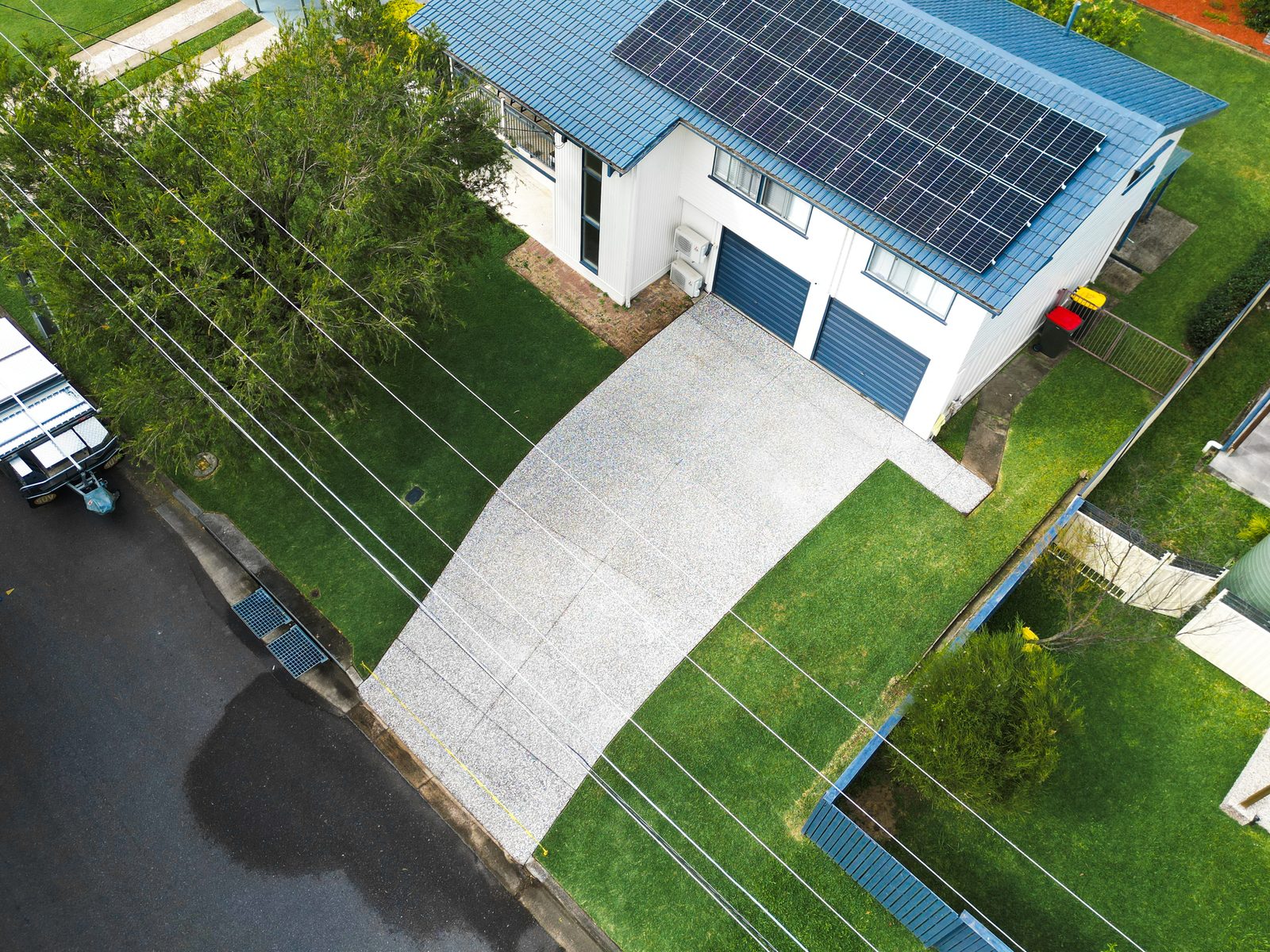
Why Timing Matters When You Seal Concrete in South-East Queensland
The best time of year to seal concrete in South-East Queensland is the drier stretch from April to October, after the summer storm season has passed. A sealer needs a clean, completely dry slab when it goes down and a rain-free cure afterwards - around 24 hours before vehicles are back on a clear penetrative seal - and autumn, winter and spring deliver those conditions far more reliably than summer does. That said, concrete gets sealed across Brisbane and the Gold Coast in every month of the year; from November to March it simply takes closer forecast-watching to find the window.
The reason timing matters is the same reason sealing matters at all here. Summer UV index readings in Queensland regularly exceed 12, a slab in full sun can pass 60°C at the surface, daily temperature swings can top 30°C, humidity regularly sits above 80 per cent, and a single storm cell can drop more than 100mm of rain in a few hours. That climate is what breaks down unprotected concrete - and it also sets the rules for when the protective coat itself can go on.
This guide walks through what a sealer actually needs from the weather, how each season behaves on real jobs, whether summer sealing is realistic, and when to time a reseal on concrete that's already protected.
What a Sealer Actually Needs From the Weather
Strip it back and a sealing job has two weather requirements. The first is a dry slab: sealer applied over a dirty or damp slab fails early, which is why every job starts with a high-pressure clean - plus a chlorine or acid treatment wherever mould, algae or built-up grime has taken hold - and the surface is then left to dry completely before anything goes on.
The second is a dry cure. On the clear penetrative systems we apply most, the surface takes foot traffic again after around 4 hours and vehicles after 24. Rain, dew or very high humidity during that initial cure can interfere with curing and film formation - topical sealers feel this most - so the day after application matters almost as much as the day of.
Put together, a residential sealing job needs roughly two clear days: one on site, since preparation, drying and two coats usually fit within a single day on an average driveway or patio, and one for the cure. That short window is what makes year-round sealing workable in South-East Queensland - finding it is easy for most of the calendar and takes planning in summer.
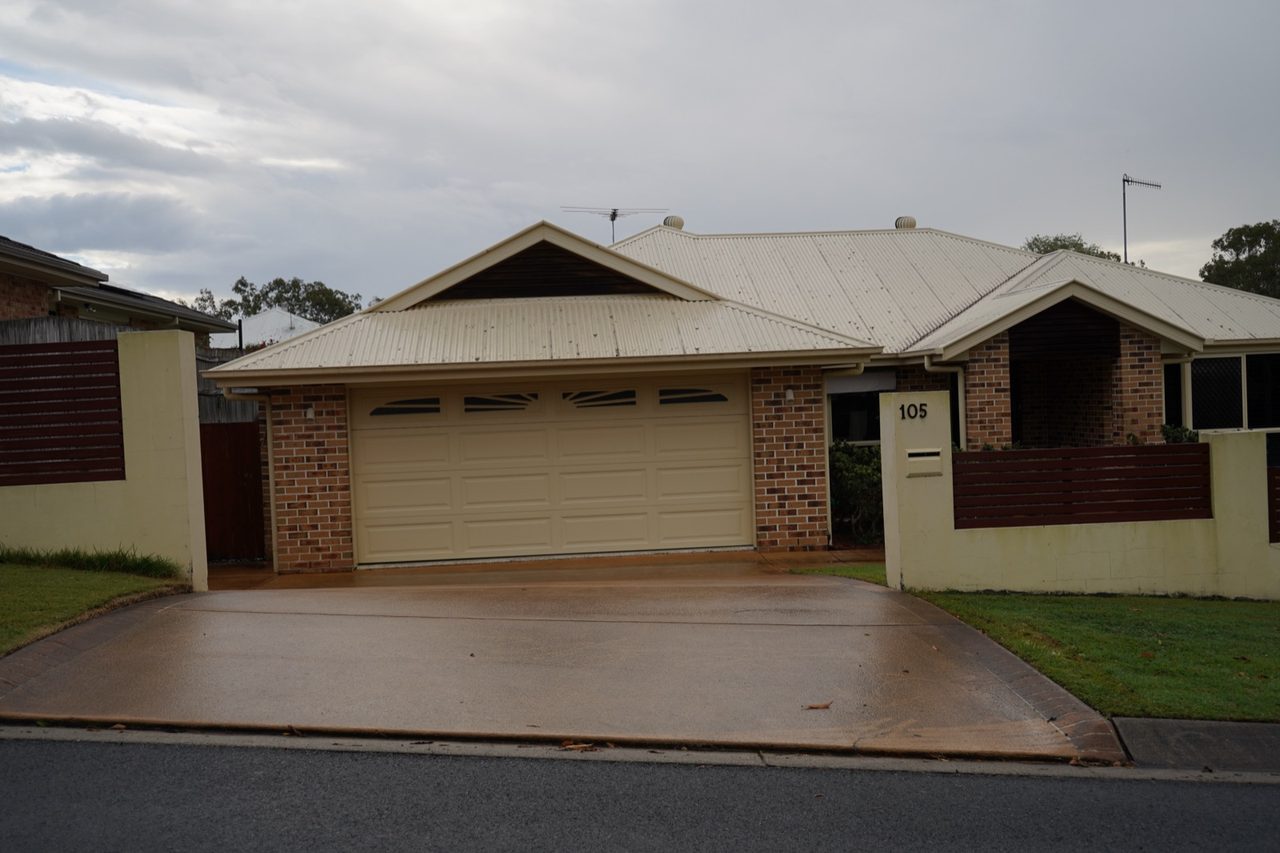
Season by Season Across Brisbane and the Gold Coast
South-East Queensland's year really splits in two: the storm season from November to March, when afternoon cells roll through with little notice, and the drier, milder months from April to October. Here is how each stretch behaves on real sealing jobs.
The job itself doesn't change with the calendar - the preparation, the two coats and the cure are the same in July as in January. What changes is how easy the weather makes scheduling, and how much margin the forecast gives you.
Autumn: April to May
The storm season tapers off, slab surface temperatures come down from their summer peaks, and dry days string together again. Autumn is also the natural moment to look over concrete sealed in previous years, because the check we recommend once a year lands best right after storm season - summer is what does the damage, so this is when it shows.
Winter: June to August
South-East Queensland winters are mild, and the long dry spells make scheduling the most predictable of the year. The one adjustment is drying time: cooler temperatures slow drying, so a slab washed in the morning can need longer before it is ready for sealer, and we are patient about confirming cure before traffic goes back on.
Spring: September to October
Warm days, storm season still weeks away - spring is the window most people should aim for. A driveway cleaned and sealed now has its protection in place before the summer storms drive water, leaf litter and tannin stains across it, which is exactly the punishment a fresh seal exists to shrug off.
Summer and storm season: November to March
Jobs still run right through summer - they are just planned around the afternoon storms, the same way our resurfacing crews work from November to March. A slab in full sun can pass 60°C at the surface and humidity sits high, so the crew works to the forecast and the conditions on the day rather than to a fixed calendar.
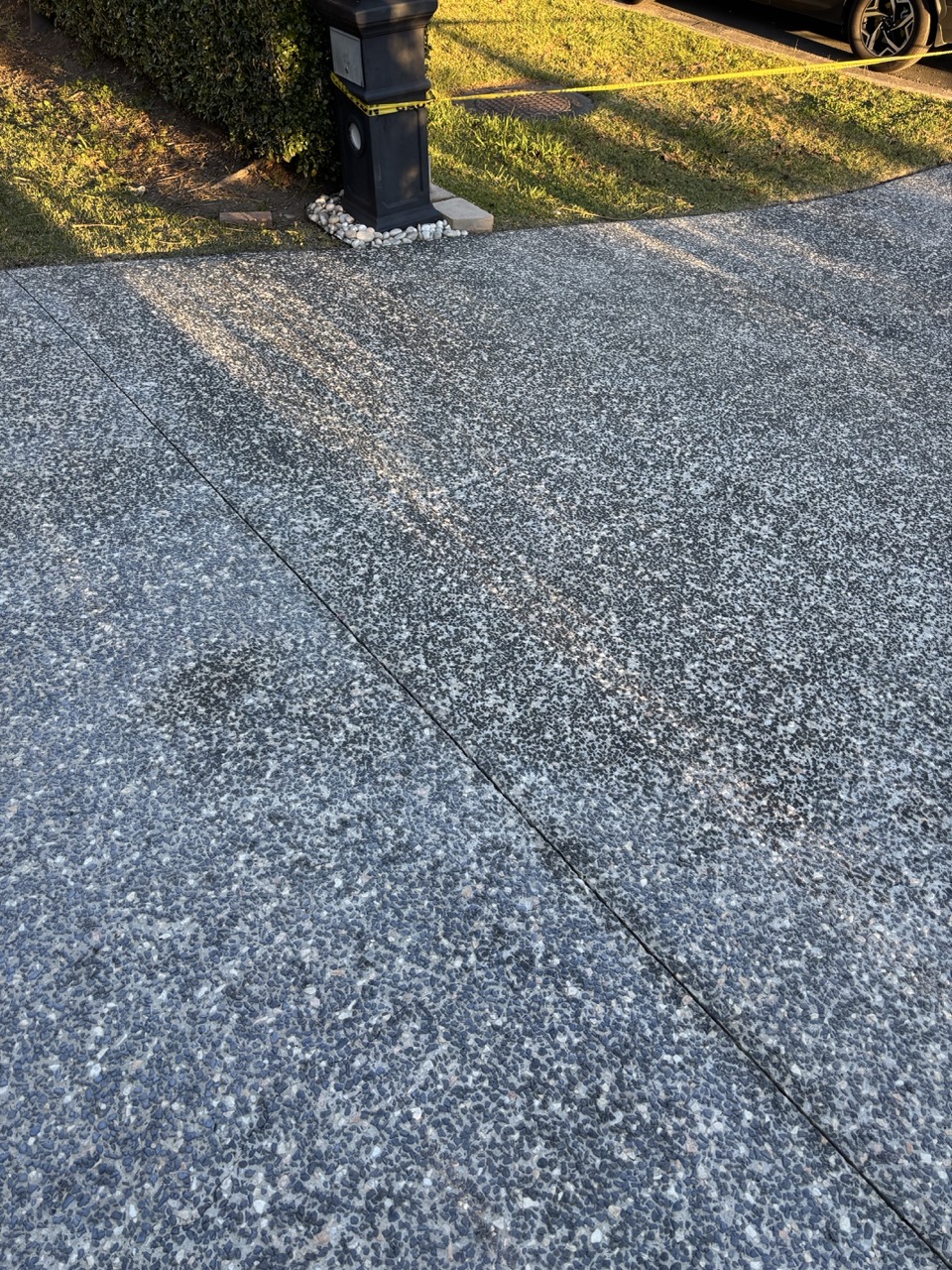
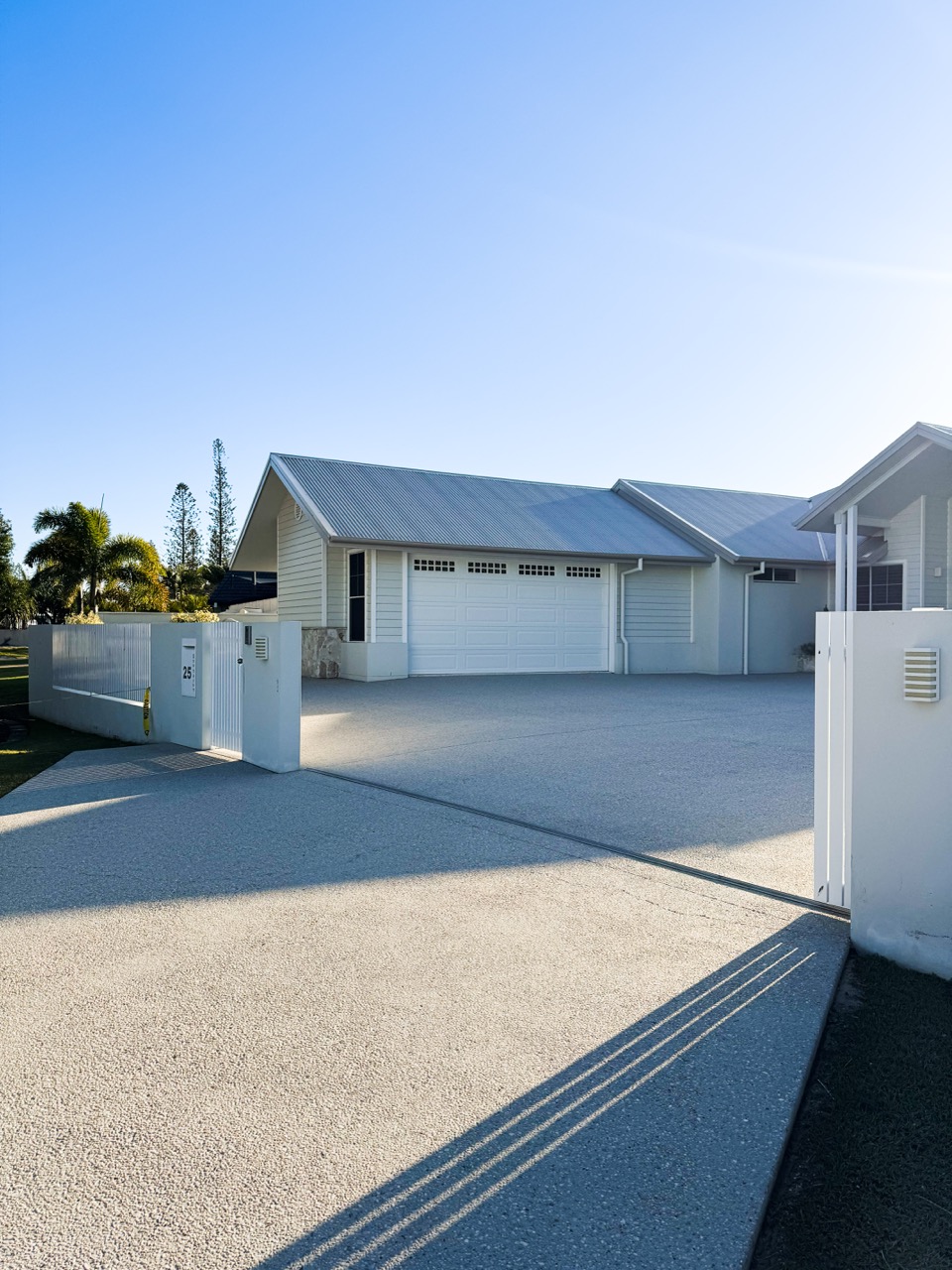
Whatever month the job lands in, the finish is the same. The Cleveland driveway below got a clear penetrative seal - drag the handle to compare the surface before and after.


The Verdict: Chase a Dry Window, Not a Perfect Month
If you can pick your moment, pick April to October - scheduling is simplest, the slab dries fast after its clean, and a spring booking puts fresh protection down before the next storm season arrives. If you can't, don't force a four-month wait: the real requirement is a clean, dry slab and roughly 24 rain-free hours, and that window exists in every month of a South-East Queensland year.
The budget side is simpler than the weather side. Most residential sealing jobs, clear or coloured, start from $30 per square metre plus GST including preparation and two coats, with the fixed price confirmed after a free on-site assessment.
How We Work Around the Weather
Every job starts the same way regardless of season. For clear penetrative sealing, that means a thorough high-pressure clean, a chlorine or acid treatment where mould or algae has taken hold, and a slab left to dry completely before the sealer goes anywhere near it. The sealer itself goes on with low-pressure spray equipment for an even coat, and two coats are standard on residential work. For coloured topical sealing the sequence is the same, with the tinted system agreed at the assessment applied in even coats.
Cure time depends on the product, the surface and the weather, so before we leave we confirm when you can walk and drive on the concrete, walk the finished job with you and hand over the written warranty. In storm season the only extra step is the forecast: the sealing day gets booked where the radar gives clear air, and moved if a cell is coming through.
Can You Seal Concrete in Summer in Queensland?
Yes - and plenty of jobs happen then. Two things need managing. The first is rain: the application and the first 24 hours of cure need to stay dry, so summer jobs are set against the forecast and rescheduled when the afternoon storms look likely to arrive early. The second is the slab itself: a surface in full summer sun can pass 60°C, and humidity above 80 per cent can slow curing for some sealer types, so conditions on the day decide timing more than the calendar does.
It also helps that penetrative sealers are breathable - they let moisture vapour escape from the concrete rather than trapping it under a film, which suits humid conditions. If your slab needs protecting in December, the answer is a forecast conversation, not a four-month wait.
Already Sealed? Time Your Checks and Resealing
For concrete that's already protected, the calendar question becomes when to check and when to recoat. Check once a year, ideally right after storm season - summer is what wears a seal, so autumn is when the evidence shows. The test takes seconds: on a healthy penetrative seal, water beads and sits proud of the surface; when it soaks straight in and darkens the concrete, the protection is fading.
A clear penetrative seal typically lasts 5 to 10 years - driveways sit closer to the 5-year mark, covered patios can push beyond 7 - while coloured topical systems run roughly 2 to 5 years between coats. Our guide to how long concrete sealing lasts in Queensland heat covers what stretches or shortens those numbers.
Resealing a penetrative system is the easy version of everything above: there's no film to strip, so it's a clean and a fresh coat, usually done in a day - and the simple routine in our guide to maintaining freshly sealed concrete keeps the new coat performing between checks.
Booking a Sealing Job, Whatever the Month
Whether you're planning ahead for spring or need a slab protected before the next storm season, the sequence is the same: a free on-site assessment, usually about 20 minutes, then a fixed written quote. We seal concrete across all of Brisbane and the Gold Coast, and what the job should cost is laid out line by line in our Brisbane concrete sealing cost guide.
CoatPro is a QBCC-licensed contractor (licence 15620475) and a member of Master Builders Queensland, we carry over $20 million in public liability insurance, and we've coated more than 120,000 square metres of concrete across South-East Queensland - so we've sealed through every season this climate offers.
Want a date in the calendar? Get a free estimate online or call Christian on 07 4428 2811, and we'll call within one business day to book your free assessment.
- A free on-site assessment, usually about 20 minutes, and a fixed written quote
- Scheduling that works around the forecast - including through the November-to-March storm season
- Two coats as standard on residential sealing, at the published $30/m² + GST rate
- Clear confirmation of walk-on and drive-on times before we leave the job
- Extensive Queensland experience across all regions and applications
- Customised coating recommendations for Queensland's challenging climate
- Proven track record with thousands of satisfied customers
- Comprehensive warranties and ongoing support
- Licensed, insured, and committed to excellence
FAQs
Common questions about when to seal concrete in South-East Queensland.
The drier months from April to October are the easiest window, because sealing needs a clean, fully dry slab and a rain-free cure - around 24 hours before vehicles are back on it - and South-East Queensland's storm season runs from November to March. Concrete can still be sealed through summer; it just takes closer forecast-watching to find the dry window.
Yes. From November to March we watch the forecast and plan around the afternoon storms. Most residential sealing jobs are one day on site, with vehicles kept off for 24 hours afterwards, so the work needs a window of roughly two clear days rather than a dry week.
On the clear penetrative sealers we use, keep foot traffic off for around 4 hours and vehicles off for 24 hours. Rain, dew or very high humidity during that initial cure can interfere with how some sealers cure and bond, which is why the forecast matters. Exact cure time depends on the product, the surface and the weather, so we confirm when you can walk and drive on it.
Check it once a year, ideally after storm season. If water soaks in and darkens the surface instead of beading, the protection is fading. Clear penetrative sealers typically last 5-10 years, with driveways closer to the 5-year mark, coloured topical systems run roughly 2-5 years between coats, and resealing a penetrative system is a straightforward clean and recoat, usually done in a day.
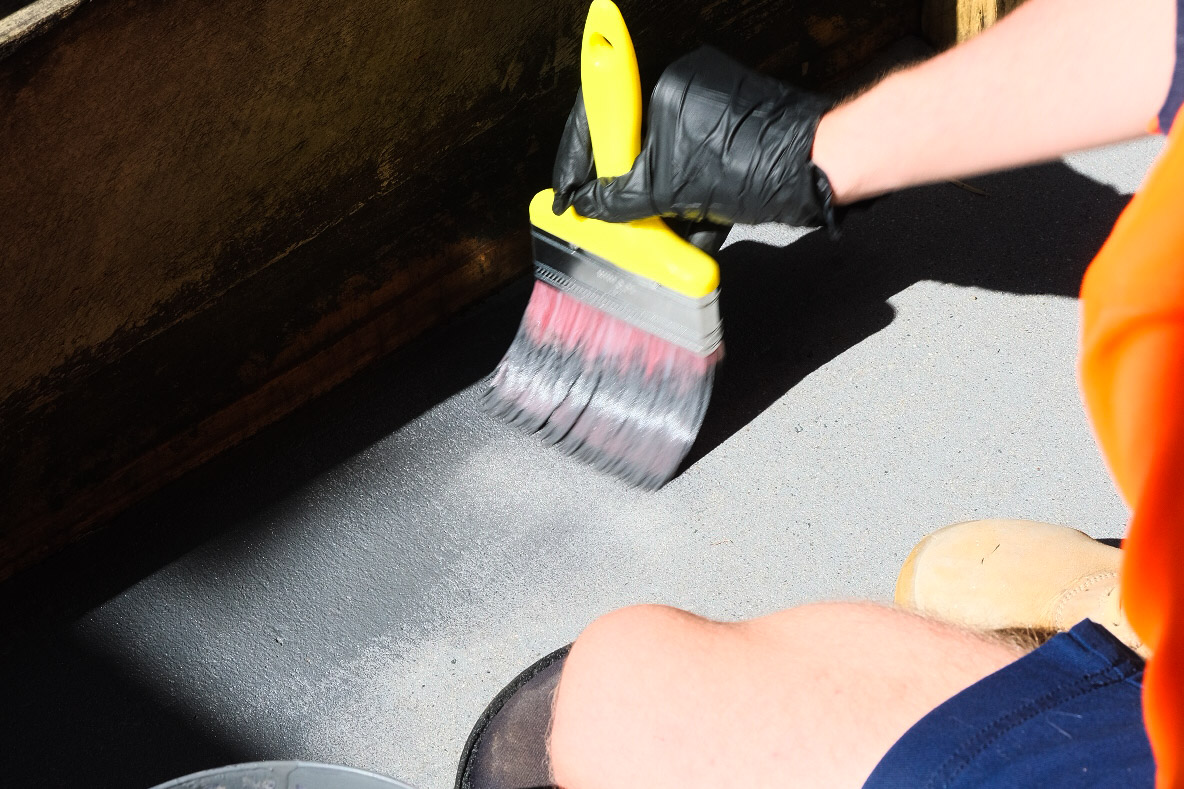
Get Your Free Quote Today
Transform your concrete surfaces with our expert sealing and finishing services. Contact us now to discuss your project and receive a personalised quote. We service all areas throughout South-East Queensland.
- Give Us A Call for immediate consultation
- Email us with your property details and photos
- Use our estimate calculator
- Book online for convenient assessment scheduling
